
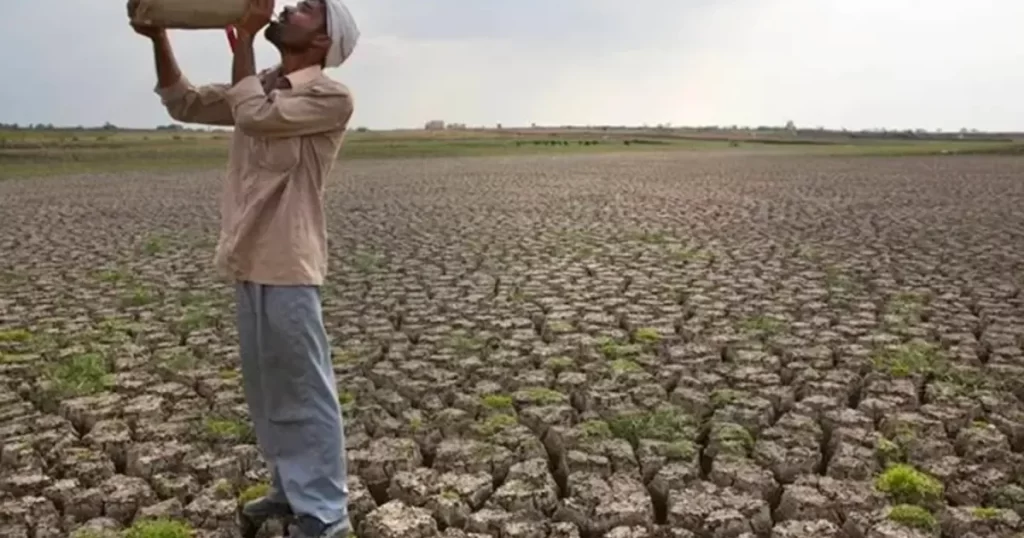
Rainfall has decreased; agriculture and production will be affected
Introductory Memo: India, including Kerala, has experienced a significant southwest monsoon rainfall deficit, with the country receiving 14% less rainfall than expected between June 1 and August 30 and Kerala receiving 22% less. Several states, including Meghalaya, Manipur, Bihar, Andhra Pradesh, Punjab, and north eastern states, recorded major deficits, raising concerns about Kharif-season agricultural production, which is estimated to decline by around 3% nationally. Maize has been particularly affected, potentially reducing cattle-feed and ethanol production and increasing demand for sugarcane for ethanol, which could lead to fluctuations in sugar prices. In Kerala, Wayanad and Idukki recorded severe rainfall shortages, while some districts such as Pathanamthitta, Thiruvananthapuram, Kottayam, Kannur, and Kasaragod experienced relatively smaller deficits. The reduced rainfall has also contributed to unusually high temperatures across Kerala, with atmospheric temperatures rising by more than 2°C amid high humidity. Experts suggest that the early withdrawal of the monsoon and reduced cloud cover could increase the intensity of sunlight and further raise temperatures, while health experts warn that the resulting heat and changing weather conditions may increase the risk of infectious diseases.
Analytical view/ Analysis: The habit of rain is changing. The period of rain is fluctuating. The life, agriculture, plants and farming have to change accordingly.
There are indications that the deficit in monsoon rainfall will affect the agricultural sector in Kerala and India alike. From June 1 to August 30, the country received 14 percent less rainfall than expected. Bihar, Andhra, Punjab, and the north-eastern states received the least rainfall. It is estimated that this will seriously affect Kharif-season agriculture, the summer crop season, and that agricultural production will decline by three percent at the national level. Maize cultivation has been affected the most at the national level. The decline in maize production is expected to affect the production of cattle feed and ethanol. If maize production declines, more sugarcane will have to be used for ethanol production instead, which is expected to cause significant fluctuations in sugar prices.
Meghalaya received the least rainfall. It received 58 % less than expected. Manipur received 43 % less, Bihar 42 %, Andhra Pradesh and Arunachal 41 %, Punjab 36 %, Goa 34 %, Assam 25 %, Karnataka 23 %, Rajasthan and Kerala 22 % less rainfall during the last monsoon season. Mizoram also received 20 % less rainfall. Due to the El Nino phenomenon in the Pacific Ocean, isolated rainfall is likely in Kerala until September 30. Kerala is supposed to receive 1746.8 millimeters of rainfall during the monsoon season. But only 1367.1 millimeters was received. 22 % less than expected. Wayanad, which used to receive the most rainfall earlier, received the least rainfall this year. Only half of the expected rainfall was received here. Wayanad received 1090.1 millimeters of rainfall instead of the expected 2200.9 millimeters. Idukki, also a hilly region, also saw a major deficit in rainfall 44 % was the deficit in Idukki. Instead of the expected 2203.3 millimeters of rainfall, only 1239.2 was received. In Kollam, 719.6 millimeters of rainfall was received, 30 % less than the expected 1031 millimeters. In Alappuzha, 1370.7 millimeters of rainfall was expected. 1031.7 millimeters was received, 25 % less. Palakkad was expected to receive 1349.2 millimeters. The deficit was 23 %. Thrissur was expected to receive 1838.3 millimeters. It was 22 % less. Malappuram was expected to receive 1702.3 millimeters. The rainfall was 20 percent less. In Ernakulam, instead of the expected 1796.1 millimeters, it was 19 percent less.
There are also districts that received rainfall close to expectations. In Kannur, 2194 millimeters was received instead of the expected 2349.7 millimeters.7 % less. In Kasaragod, 2576.8 millimeters was expected and it was 12 % less. In Kozhikode, instead of the expected 2273.2 millimeters, it was 11 percent less. In Kottayam, instead of the expected 1610.4 millimeters, it was six percent less. In Pathanamthitta, 1321.5 millimetres was expected. There was only a two percent deficit here. In the capital city Thiruvananthapuram, 666 millimetres of rainfall was expected. There was only a one percent deficit here. In Lakshadweep, 856.9 millimeters was expected. 635. With one millimeter, there was a 26 % deficit in rainfall here.
During the period when the southwest monsoon usually pours heavily, Kerala is experiencing intense heat throughout the state, like summer. There has been an increase of more than two degrees Celsius in atmospheric temperature. In addition, with humidity, an indicator of moisture in the atmosphere, also increasing, the indication is that the heat will increase significantly. The monsoon rains fall in Kerala until September 30. Weather monitoring experts say that the indication is that the monsoon had withdrawn by the 19th of last month. By the last week of September, the sun will reach directly above the equator. The intensity of sunlight will then also increase. Health experts also indicate that the increase in heat will lead to more infectious diseases. The cloud cover above the earth should become abundant because of the rain. As that decreases, the amount of water vapor and clouds will also decrease. Clouds are blockers. Weather experts say that as cloud cover decreases, the intensity of sunlight reaching the earth’s surface increases, which causes atmospheric temperature to raise.
Reference
- https://www.business-standard.com/industry/agriculture/2026-monsoon-ends-with-nearly-13-rain-deficit-worst-since-2015-imd-126093001389_1.html
- https://eng.ruralvoice.in/national/india-2026-monsoon-ends-with-13-pc-rainfall-deficit-weakest-in-over-a-decade.html
- https://www.downtoearth.org.in/climate-change/monsoon-2026-report-card-rainfall-12-less-than-normal-across-india-with-60-less-rain-in-meghalaya-and-24-less-in-the-south
- https://www.ndtv.com/india-news/post-monsoon-weather-less-rain-in-october-but-winter-may-bring-relief-12123661
- https://www.mathrubhumi.com/agriculture/features/el-nino-2026-impact-kerala-agriculture-gdz4jqom
- https://www.etvbharat.com/ml/state/kerala-monsoon-rainfall-deficit-2026-report-kls26100101088
- https://www.manoramanews.com/india/environment/2026/06/24/el-nino-agriculture-crisis-delayed-monsoon-india-kerala-monsoon-forecast.html Article by: G K Suresh Babu